How Automotive Stamping and Stamped Parts Drive Modern Vehicle Manufacturing
Peel back the exterior panels of any modern vehicle and you’ll find hundreds of individual metal components, shaped, formed, and assembled into a structure engineered to protect occupants in a collision while also being light enough to achieve fuel efficiency targets. The majority of these components were made through automotive stamping. It is, in many respects, the foundational manufacturing process of the automotive industry.
What Is Automotive Stamping?
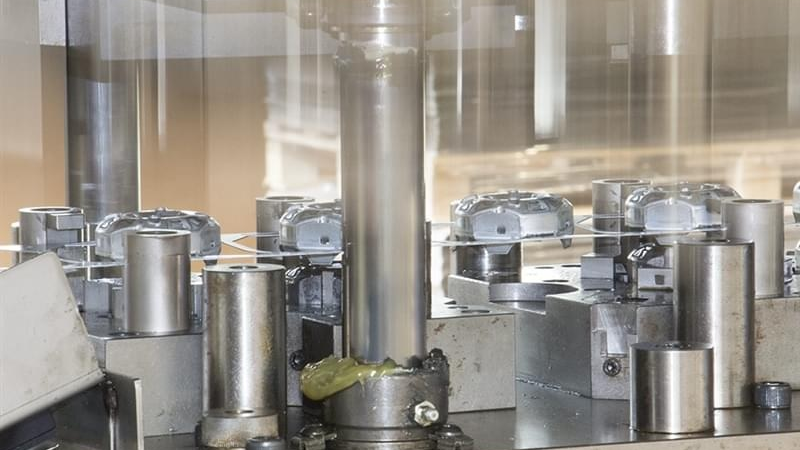
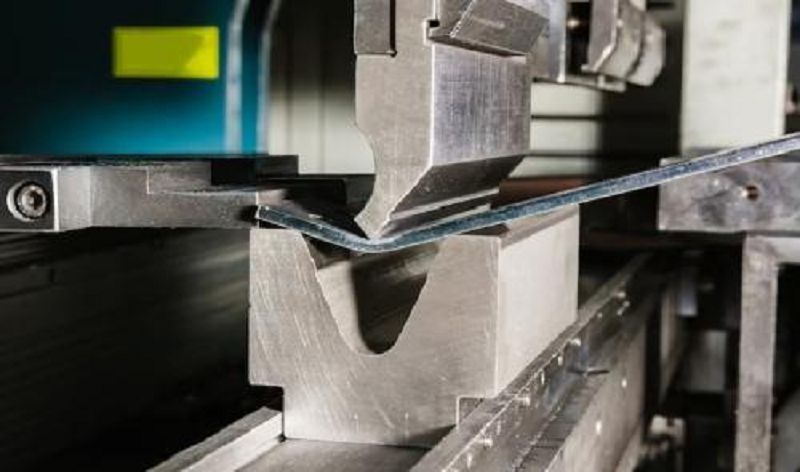
Automotive stamping is a manufacturing process in which flat sheet metal, typically cold-rolled steel, high-strength steel, aluminum, or advanced high-strength steel alloys, is shaped into a defined form by pressing it between a punch and die. Depending on the complexity of the part, this may involve a single operation or a sequence of forming stages performed in progressive or transfer dies.
The process is valued for its combination of speed, precision, and material efficiency. A single stamping press can produce thousands of parts per hour, and modern die designs minimize scrap by optimizing how the blank is nested within the raw material coil.
The Breadth of Automotive Stamping Parts
Automotive stamping parts span every structural and functional system of a vehicle. Body-in-white components, the roof, hood, door panels, floor pan, pillars, and rails, are the most visible stamped parts, but they represent only a portion of the total. Chassis and suspension components (control arm brackets, subframe reinforcements, trailing arm mounts), powertrain-related stampings (transmission cases, clutch housings, oil pan components), and interior structural elements (seat frames, cross-car beams, seatbelt anchor plates) are all produced through stamping processes.
The growing adoption of advanced high-strength steels (AHSS) and ultra-high-strength steels (UHSS) in vehicle body structures has pushed the boundaries of stamping technology. These materials offer exceptional strength-to-weight ratios but are more demanding to form, requiring higher press forces, more carefully engineered die geometry, and in some cases, hot stamping (press hardening) processes where the blank is heated before forming.
Hot Stamping: Enabling Lightweight Safety Structures
Hot stamping, also called press hardening, has become one of the critical processes in modern automotive body manufacturing. Blanks of boron steel are heated to austenitizing temperature, transferred quickly to a water-cooled die, and simultaneously formed and quenched. The result is a part with tensile strength that can exceed 1,500 MPa, strong enough for crash-critical structural components like A-pillars, B-pillars, and door intrusion beams, while being thin and light enough to contribute to vehicle mass reduction targets.
Quality Expectations and the Automotive Supply Chain
Automotive stamping parts flow through a tiered supply chain. Tier-1 suppliers typically handle the stamping and subassembly of major body and structural components, delivering directly to OEM assembly plants. Tier-2 and Tier-3 suppliers produce smaller, simpler stampings that feed the Tier-1 assembly operations.
At every level, quality expectations are non-negotiable. Dimensional conformance, surface integrity, edge condition, and mechanical properties must be verified and documented. First article approval processes (PPAP in North America and Europe, similar systems in other markets) formalize the hand-off between supplier and customer before production begins.
As vehicle architectures evolve toward electrification, the mix of automotive stamping parts is shifting. Battery enclosures, high-voltage wiring brackets, motor housings, and thermal management components are creating new demands on stamping suppliers, combining the precision of traditional automotive work with the new material and geometry challenges of EV-specific designs.